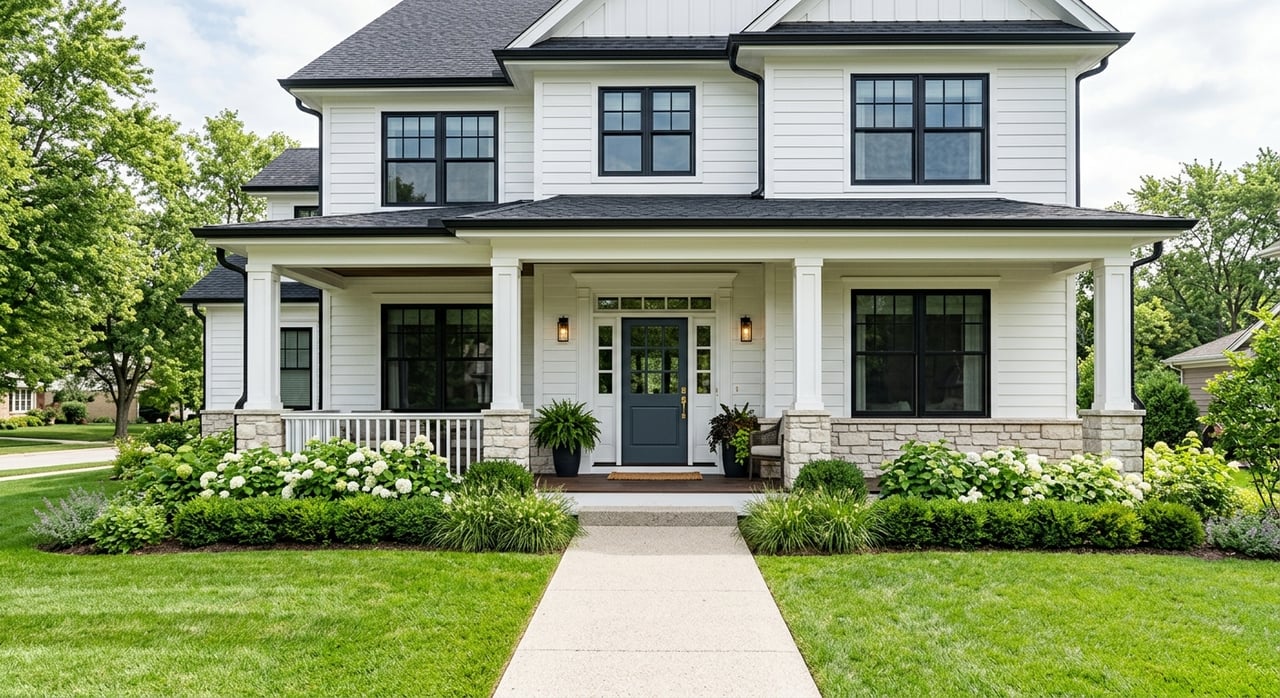
If you have started looking at homes in Lewis Center, you have probably noticed something quickly: one neighborhood can feel very different from the next. A home near parks and trails may offer a completely different day-to-day experience than one closer to US-23, Polaris, or a mixed-use area. The good news is that once you know what to compare, choosing the right fit gets much easier. Let’s dive in.
Start With Your Daily Routine
The best Lewis Center neighborhood for you is not always the one with the biggest house or newest finishes. In many cases, it is the one that fits how you actually live each day.
Before you narrow your search, think about what matters most to you. You may care most about commute time, outdoor access, nearby shopping, larger lots, or a more connected layout with amenities close by.
A helpful way to approach Lewis Center is to think in tradeoffs. You may gain convenience in one area and give up a little privacy, or gain more open space and add a few minutes to errands.
Compare Lewis Center by Access
Commute patterns are a major part of neighborhood choice in Lewis Center. US-23 and I-270 shape how easily you can get around, and they also affect traffic flow in a big way.
The Route 23 Connect study found that the corridor between I-270 and Waldo already carries about 30% more traffic than it was designed to handle. That means congestion, bottlenecks, less predictable travel times, and higher crash rates can all be part of the equation when you are choosing where to live.
For some buyers, being close to US-23 is worth it because it can simplify daily driving. For others, being a little farther from that corridor may feel better if they want less direct exposure to heavy traffic.
Highbanks Metro Park helps show how central the corridor is to everyday life in this area. Its address is 9466 Columbus Pike, and drivers coming from I-270 are directed to take US-23 north about 3 miles, which highlights how commuting and recreation often overlap in Lewis Center.
Bridge Park also gives you a useful clue about connectivity. Orange Township places it on the east side of the multi-use bridge across US-23, with trail-system access, bike racks, shelters, and picnic tables, which makes parts of the area feel more connected than they may appear on a simple map.
Best for Commute-First Buyers
If driving convenience is your top priority, focus first on homes with a clean route to US-23 and I-270. Then compare whether the time savings feels worth the tradeoff in traffic activity nearby.
When touring homes, do not just look at mileage. Pay attention to how the route feels during the times you would actually be on the road.
Look at Parks and Trail Access
For many buyers, neighborhood quality is about more than the house itself. In Lewis Center, parks, trails, and recreation can shape your routine just as much as square footage or finishes.
Orange Township maintains seven parks, about 18 miles of multi-use paths, and the North Orange Aquatic Center. The township also notes that pool passes and facility rentals are resident-only, so living near township recreation can offer a meaningful lifestyle advantage.
If you want an all-around community park, Township Hall Park stands out. It includes a basketball court, shelter, fishing pond, picnic areas, restrooms, a gazebo, trails, and disc golf.
Glen Oak Park has a different feel. With 24 community-garden beds, three themed play areas, a large sled hill, a skating pond, paved multi-use trail, and nature trails, it can appeal to buyers who want a park-centered setting woven into everyday life.
North Orange Park is another strong option if active amenities matter to you. It includes paved walking trails, nature trails, fishing ponds, soccer fields, basketball courts, an ADA-accessible playground, a shelter with a fireplace, and the North Orange Aquatic Center.
North Road Park is especially useful to know if you want sports-focused recreation nearby. It now offers seven soccer fields, a cricket field, pickleball courts, and a playground.
Walker Wood Park is more modest, which can be a plus if you prefer simpler neighborhood-scale amenities. It includes a shelter, playground, and open-field space.
For larger natural areas, Highbanks Metro Park offers 1,204 acres of trails and ravines. Shale Hollow Park and McCammon Creek Park also add preserve-style options, with Shale Hollow offering hiking, jogging, natural play space, shelters, and restrooms, while McCammon Creek Park currently has its North Area open with a 1.5-mile trail.
Best for Park-First Buyers
If trails, green space, or outdoor routines are central to your lifestyle, map homes by park access before you compare interior finishes. A shorter drive or easier walk to the places you use every week can matter more than a small upgrade inside the home.
Check Shopping and Errand Convenience
Some buyers want a quieter setting, while others want errands and dining to feel easy. Lewis Center gives you both options, but not always in the same location.
Polaris Fashion Place is the area's largest retail hub, with more than 170 retail, dining, and entertainment options and more than 75 events each year. That makes eastern and southeastern parts of the Lewis Center market especially attractive if daily convenience and activity matter to you.
The Orange Branch Library is another practical stop to consider as you compare neighborhoods. Located at 7171 Gooding Blvd., it includes a drive-up book drop and a drive-through pickup window, which can make regular errands simpler.
Orange Township also hosts community events such as the Independence Day Parade and Founders Festival. That tells you public spaces here are used for more than just open land and recreation, and that can matter if you enjoy a more active community calendar.
Best for Shopping-First Buyers
If convenience is a top priority, compare how quickly you can reach the Polaris area and other everyday services. A home that saves you time on errands several days a week may be the better fit, even if it is not your first choice on paper.
Understand Housing Patterns First
One of the smartest ways to choose the right Lewis Center neighborhood is to look beyond subdivision names. Orange Township's zoning structure gives you a clearer picture of how different parts of the area are designed to function.
The Neighborhood Zone is intended to accommodate existing residential neighborhoods while allowing new construction that fits existing development patterns. In general, this points to more traditional residential pockets.
The Community Living Zone is designed for multi-unit residential uses and a diversity of housing types with neighborhood amenities. Areas shaped by this kind of pattern may feel denser and more amenity-oriented.
The Farm Residential district supports open space and agricultural uses while also allowing large-lot residential development. The minimum lot size is 1 acre, which makes this category especially helpful for buyers who want more room around them.
The Planned Unit Development, or PUD, district is meant for unique projects that do not fit neatly into a base district. These areas can offer a more curated neighborhood layout, but the feel will depend on the specific site plan.
The Mixed-Use District combines residential and commercial uses. Orange Township requires at least 20% of gross floor area to be non-residential, and the design requires uses to sit close together and be linked by sidewalks or multi-use paths.
That matters because mixed-use and PUD-style areas often feel more connected and convenience-focused. In exchange, you may have less privacy or a different street pattern than you would in a more traditional residential pocket.
Match the Neighborhood to Your Priorities
When buyers feel stuck, it is usually because they are comparing homes instead of comparing lifestyles. In Lewis Center, the right choice often becomes clearer when you decide which one or two priorities matter most.
Here is a simple framework to use:
- Commute-first: Focus on access to US-23 and I-270, then weigh that against corridor traffic.
- Park-first: Start near township parks, Highbanks, Shale Hollow, or McCammon Creek.
- Shopping-first: Prioritize easier access to Polaris and the surrounding commercial areas.
- Space-first: Look for Farm Residential settings or other large-lot pockets.
- Amenity-first: Compare mixed-use and PUD-style neighborhoods and confirm what amenities are actually part of the site plan.
This approach can save you time and reduce decision fatigue. Instead of trying to find a neighborhood that does everything, you can focus on the one that supports your real daily needs.
What to Notice During a Tour
Once you have a shortlist, pay close attention to the details around the home. The street layout, lot spacing, nearby paths, traffic feel, and access to parks or retail often tell you more than the listing description.
Try to visit at different times of day if you can. A neighborhood that feels peaceful at noon may feel very different during rush hour or evening activity.
It also helps to compare what surrounds the home, not just what is inside it. In Lewis Center, zoning context, access patterns, and neighborhood design are often just as important as price point.
The Right Lewis Center Neighborhood Is Personal
There is no single best neighborhood in Lewis Center for everyone. The right fit usually comes down to what matters most to you: shorter drives, better park access, easier errands, more open space, or a more walkable and amenity-rich setting.
That is why local guidance can make such a big difference. When you understand how access, parks, zoning, and lifestyle patterns come together, you can choose with more confidence and less guesswork.
If you want help narrowing down the right Lewis Center neighborhood for your goals, the team at I Care Home Group is here to help you compare options and make a move with confidence.
FAQs
What should you compare when choosing a Lewis Center neighborhood?
- You should compare commute access, park and trail proximity, shopping convenience, lot size, street layout, and the overall housing pattern in the area.
Why does US-23 matter when buying a home in Lewis Center?
- US-23 is a key corridor for commuting and access, but it also carries heavy traffic, so proximity can mean both convenience and more exposure to congestion.
Which Lewis Center areas are best for parks and outdoor recreation?
- Homes near Orange Township parks, Highbanks Metro Park, Shale Hollow Park, and McCammon Creek Park can be a strong fit if trails, sports fields, or green space matter to you.
How can zoning help you choose a Lewis Center neighborhood?
- Orange Township zoning helps explain whether an area is more traditional, denser and amenity-oriented, larger-lot and open, or mixed-use and more connected by sidewalks and paths.
What makes one Lewis Center neighborhood feel different from another?
- Differences in road access, lot size, proximity to parks and retail, and whether the area is traditional residential, farm-residential, planned development, or mixed-use can all shape the feel of a neighborhood.
