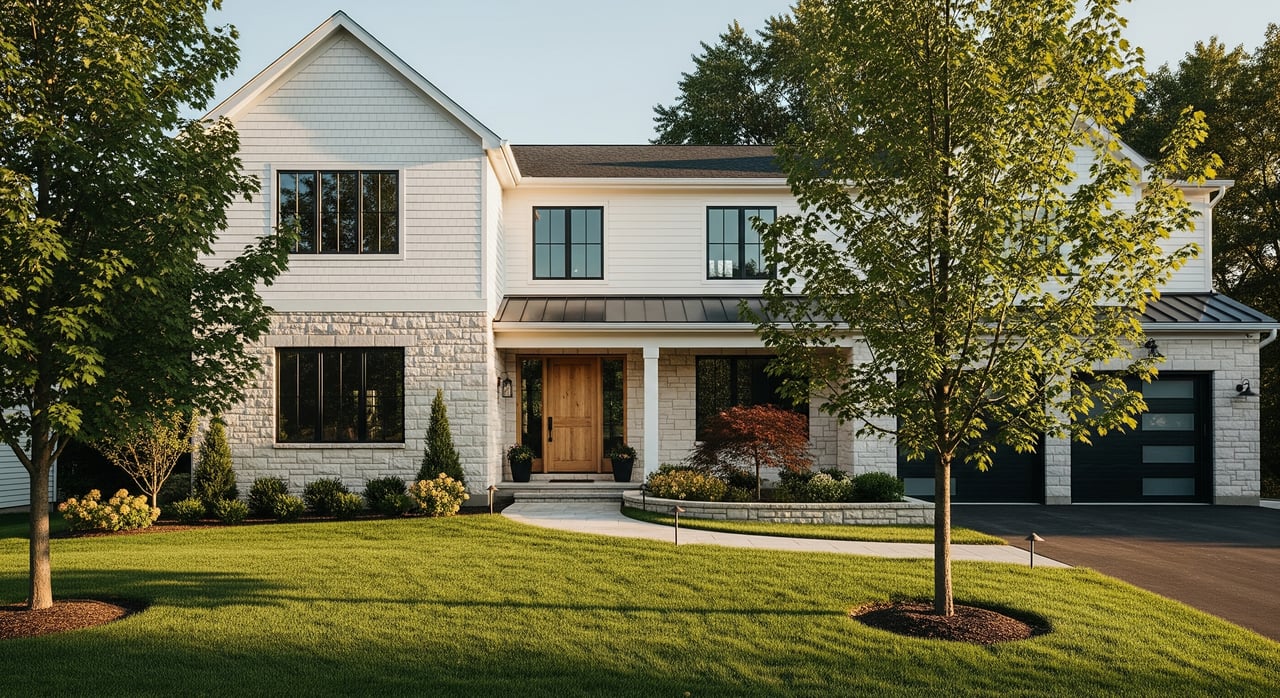
Trying to decide between a brand-new home or a move-in-ready resale in Lewis Center? You are not alone. With strong demand, convenient access to I-71, and sought-after neighborhoods, it can be hard to know which route fits your timing, budget, and long-term plans. In this guide, you will learn the key differences, costs to compare, and smart next steps tailored to Lewis Center so you can move forward with confidence. Let’s dive in.
Lewis Center market snapshot
Lewis Center sits in Delaware County, part of the Columbus metro. The area attracts many professionals and families because of its newer subdivisions, proximity to major routes, and neutral factors like convenient commutes and amenities. These local strengths shape prices, the pace of sales, and the number of new communities coming online.
Before you choose between new construction and resale, plan to check:
- Recent median sale prices, days on market, and inventory in Lewis Center and Delaware County.
- School district boundaries and school performance information for Olentangy Local Schools.
- Property tax rates and any recent valuation updates from county offices.
- Active and planned subdivisions, zoning updates, and building activity nearby.
A current snapshot from a trusted local source will help you compare real options side by side.
New build vs resale: key differences
Price and total cost
New construction
- Pros: Pricing starts with a base price and documented upgrade menus. Builders sometimes offer incentives such as closing-cost help or rate buydowns. New homes often include modern layouts and energy-efficient features that would be costly to add later.
- Cons: The final price is often higher per square foot than comparable resale. Lot premiums and options can add 10 to 30 percent or more to the base price. Items like landscaping, blinds, fencing, or certain exterior features may be extra.
- What to check: Get an itemized cost sheet, upgrade allowances, deposit rules, and whether your final price is locked.
Resale
- Pros: Room for negotiation can create savings. You avoid builder markups on finishes, and sellers may offer credits or repairs. In a fast-moving market, there can be immediate equity upside.
- Cons: Older systems might need near-term replacements. Cosmetic updates can add up. Inspections sometimes uncover deferred maintenance.
Tip: Compare the total move-in cost. Add price, upgrades or updates, landscaping or window coverings, closing costs, and near-term repairs to view the true bottom line.
Timeline and predictability
New construction
- Typical build timelines run about 4 to 12 months from contract to close for a home you personalize. Spec homes already underway can close in roughly 30 to 90 days.
- Delays can come from permitting, weather, materials, or subcontractor schedules.
- Check your contract for schedule language, remedies if the date slips, deposit handling, and price or rate lock terms.
Resale
- Once under contract, closings often land in 30 to 60 days depending on financing and inspections.
- The timeline is more predictable because the home is finished and fully inspectable.
If you are relocating with a firm start date, a completed spec home or resale often provides safer timing. If you can be flexible, a to-be-built home can deliver the features you want.
Customization and design
New construction
- Pros: You pick finishes and many layout options. Packages can include smart-home tech and energy features.
- Cons: Structural changes may be limited or come at a premium. Choices follow builder timelines and catalogs, and some upgrades have long lead times.
- Verify the policy on change orders, selection deadlines, and any post-contract fees.
Resale
- Pros: You can renovate on your own schedule and create the look you love over time. You may also find mature trees and landscaping you would not get with a new lot.
- Cons: Major reconfigurations require permits, time, and a higher budget. Some upgrades cost more when done after purchase.
Warranties and inspections
New construction
- Most builders provide a written warranty that covers workmanship and materials for a set period, with a longer structural warranty for major defects. Review coverage, exclusions, and claim steps. Expect a final walk-through and punch list before closing.
Resale
- You will order an inspection and negotiate any repairs or credits. Seller disclosures outline known material facts. You can also buy a home warranty to reduce near-term repair risk.
Request the builder’s written warranty up front. For resale homes, insist on a thorough inspection and plan your budget for any findings.
Financing and appraisal
New construction
- Financing may involve a construction-to-permanent loan or a standard mortgage, depending on when the home is ready. Builders sometimes offer incentives through preferred lenders. Compare terms carefully.
- Appraisals rely on comparable new homes. In a fast-moving market, appraisal gaps can occur and may require extra cash at closing.
- Be clear on rate locks. Build timelines can outlast lock windows, so ask about float-down or re-lock options.
Resale
- Appraisals typically lean on recent neighborhood sales and can be more predictable. Financing is usually straightforward when the home is move-in ready.
If you are using VA or FHA financing, factor in appraisal and inspection guidelines that may affect both new builds and resales differently.
Long-term value and maintenance
New construction
- Pros: Lower early maintenance, modern systems, and better energy performance can reduce monthly costs. New homes are built to current codes.
- Cons: Appreciation varies by community. HOA rules and community design can influence value over time.
Resale
- Pros: Established neighborhoods can offer larger lots, mature landscaping, and unique character. Price per square foot can be lower, creating value-add potential.
- Cons: Older systems may require sooner replacements and higher annual maintenance.
In Lewis Center, location within commuting corridors, proximity to amenities, and position within local school boundaries influence demand and long-term value for both options.
Cost comparison checklist
Use this simple worksheet to compare an apples-to-apples total:
- Purchase price
- New-build upgrades or resale renovations you plan in year one
- Lot premiums or landscaping, fencing, and window treatments
- Closing costs and any builder incentives or seller concessions
- Immediate system replacements or repairs from inspection
- Monthly costs: mortgage, taxes, HOA fees, utilities, and estimated maintenance
Add each category for both a target new build and a comparable resale in your preferred area. This side-by-side view clarifies the true move-in and first-year cost.
Touring questions to ask
Questions for builders
- What is included in the base price versus upgrades?
- What are typical lot premiums and what features trigger them?
- What is the build timeline, and what happens if it slips?
- What is the full warranty, how are claims handled, and can I bring a third-party inspector?
Questions for resale sellers or listing agents
- How old are the roof, HVAC, water heater, and windows?
- Have there been any permits for recent work and are records available?
- Are there recurring issues like drainage or foundation concerns?
- Can we review recent utility bills if available?
A simple decision framework
- Time sensitivity: Do you need to move within 3 months? If yes, focus on resale or completed spec homes. If not, a to-be-built plan can work.
- Customization priority: Do you need specific layouts or finishes now? If yes, new construction may fit best. If no, plan a phased renovation with resale.
- Budget discipline: Are you comfortable managing upgrade creep? If not, a resale with targeted updates may be clearer.
- Risk tolerance: Can you handle potential build delays? If not, choose resale or a finished spec home.
- Long-term goals: Planning to stay 5 years or more? Weigh lower maintenance on new homes against the character and lot sizes of many resales.
Your next steps
Get a current local snapshot: recent sales, median prices, days on market, and inventory in your target neighborhoods.
Secure a strong pre-approval. If you are exploring new construction, confirm whether a construction-to-permanent loan is necessary for the community you like.
Tour both types. Walk at least one active model community and three resale homes to compare costs, layouts, and commute feel.
Request full builder documents before signing: purchase agreement, standard features, upgrade price list, warranty, HOA rules, and community covenants.
For resale homes, order a thorough inspection and review seller disclosures. Consider a home warranty for the first year.
Ask for a monthly cost comparison that includes mortgage, taxes, HOA, utilities, and maintenance for both a typical new build and a comparable resale in Lewis Center.
Get written estimates for likely renovations on any resale option you are considering so you can compare total cost fairly.
How I Care Home Group helps
Buying in Lewis Center should feel exciting, not overwhelming. With decades of local experience, title savvy, and a caring, high-touch approach, we help you compare new-build communities and resales with clear numbers and timelines. You get step-by-step guidance on financing options, inspections, warranties, and negotiations, plus relocation support if you are moving on a fixed schedule.
If you want a grounded, side-by-side plan tailored to your move, reach out to the mother–daughter team that treats clients like family. Start a conversation with I Care Home Group to map your best path in Lewis Center.
FAQs
How much do new-build upgrades usually add in Lewis Center?
- Upgrades commonly range from thousands to tens of thousands, depending on selections like kitchen packages, flooring, and finished basements. Ask for a line-item upgrade list and a total “out-the-door” estimate before you sign.
Can I negotiate with a builder on price or incentives?
- Many builders offer incentives such as closing-cost help, appliance packages, or interest-rate buydowns, especially on move-in-ready spec homes or at certain times in their sales cycle. Compare any incentives to what you could negotiate on a resale.
What if I must move by a fixed date for work?
- If your timeline is strict, prioritize resale or completed spec homes because schedules are more predictable. If choosing a to-be-built home, include contract protections for delivery dates and consider temporary housing as a backup.
Are new homes more energy-efficient than resales?
- Generally yes, because newer homes follow current building codes and include modern systems. Confirm specifics like insulation levels, window ratings, HVAC efficiency, and whether appliances carry energy certifications.
Do I still need a home inspection for new construction?
- Yes. A pre-closing inspection and detailed walk-through help catch workmanship issues or incomplete items before you accept the home. Document your punch list and follow up on completion timelines.
How do I compare long-term costs between new and resale?
- Add your total initial outlay, near-term repairs, annual maintenance, taxes, HOA fees, utilities, and a realistic renovation budget for resale. Put this beside your new-build total and review likely appreciation based on location and neighborhood trends.
